Fort Chipewyan, one of the oldest communities in Alberta, is located in a remote region at the western edge of Lake Athabasca. With limited road access and challenging weather conditions, transporting goods to and from the community requires specialized logistics solutions. Marine transport plays a crucial role in keeping supply chains operational, making it the backbone of Fort Chipewyan’s economy, infrastructure development, and daily life.
Geographic Challenges and Limited Access
Fort Chipewyan’s remote location presents significant transportation challenges. The community is not connected to major highway networks year-round, and winter roads are only available for a short period. Air transport is an option, but it is expensive and limited in capacity. Because of these constraints, marine transport becomes the most practical and cost-effective method for moving large volumes of goods.
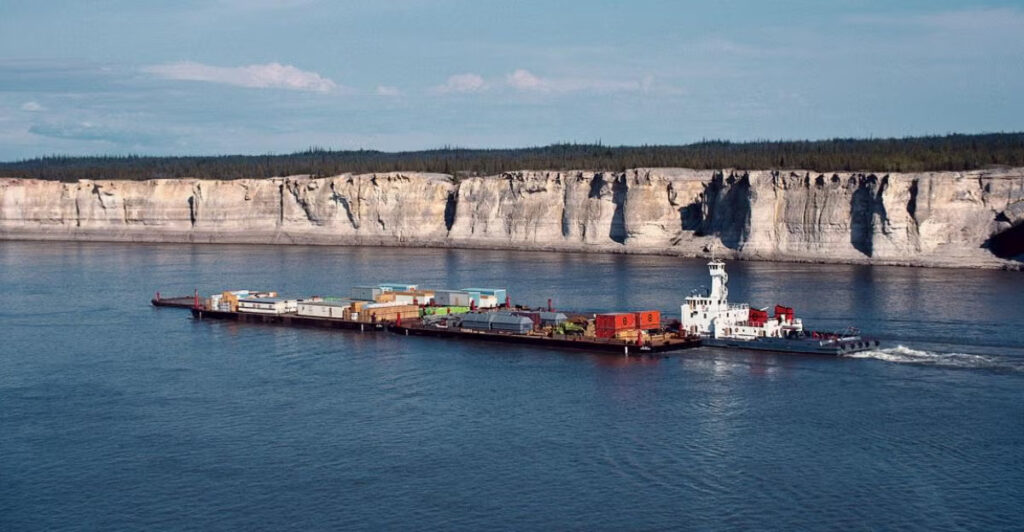
During the ice-free season, barges and cargo vessels travel through waterways such as the Athabasca River and Lake Athabasca, delivering essential supplies to the community. These natural water routes serve as vital transportation corridors, connecting Fort Chipewyan to regional supply hubs and distribution centers.
Bulk Transportation of Essential Goods
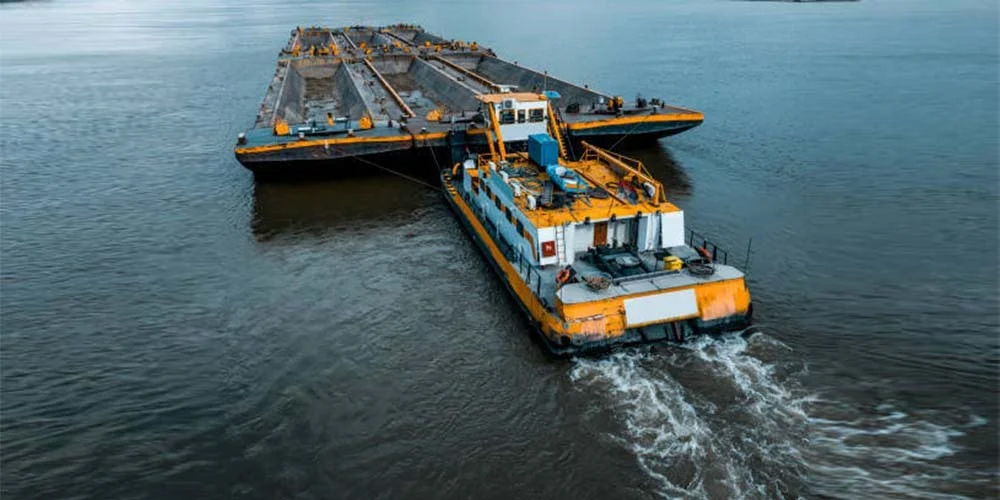
Marine transport allows businesses and service providers to ship bulk quantities of goods in a single trip. This includes food supplies, building materials, fuel, vehicles, and heavy equipment. Since barges can carry significantly more cargo than aircraft, transportation costs are reduced, and supply reliability improves.
Fuel deliveries are especially important for Fort Chipewyan. Diesel and gasoline are required for electricity generation, heating, and transportation. Marine shipments ensure that large quantities of fuel are delivered before winter, helping the community maintain energy security throughout the colder months.
In addition to fuel, marine transport supports grocery stores, local businesses, and government services. Without regular barge deliveries, residents would face higher costs and potential shortages of essential products.
Supporting Construction and Infrastructure
Marine transport is essential for infrastructure development in Fort Chipewyan. Construction projects depend on the delivery of heavy machinery, prefabricated buildings, lumber, steel, and other large materials. Barges provide a reliable way to move these oversized items safely and efficiently.
Projects such as housing development, school construction, water treatment upgrades, and healthcare facility improvements rely heavily on marine logistics. Transporting these materials by air would be extremely costly and often impractical, making marine transport the preferred solution.
Additionally, marine logistics reduces the need for temporary roads that may impact the environment. Water-based transport minimizes land disturbance while still supporting long-term community development.
Cost Efficiency for Businesses and Residents
One of the biggest advantages of marine transport is cost efficiency. Shipping goods in bulk reduces the per-unit cost of transportation. This helps businesses manage expenses and allows retailers to keep prices more affordable for residents.
Lower transportation costs also encourage economic activity. Local contractors, tourism operators, and service providers can access equipment and supplies more easily. Reliable marine logistics ensures businesses can plan ahead, manage inventory, and operate smoothly throughout the year.
For residents, this means better availability of goods, improved services, and more stable pricing compared to relying solely on air freight.
Seasonal Supply Chain Planning
Marine transport plays a key role in seasonal planning for Fort Chipewyan. During the summer and early fall, companies schedule barge shipments to stockpile essential goods before winter arrives. This includes fuel reserves, construction materials, and long-term supplies.
Because winter roads can be unpredictable, marine shipments provide a dependable alternative. Proper planning ensures the community has enough resources to last through harsh weather conditions when transportation options become limited.
This seasonal supply chain strategy helps reduce risks and maintain stability in the community.
Emergency Response and Community Support
Marine transport is also critical during emergencies. Whether responding to wildfires, flooding, or unexpected supply shortages, barges can deliver emergency equipment and essential supplies quickly. This capability is especially valuable in remote regions where response options are limited.
In addition, marine transport supports community services by delivering school supplies, healthcare equipment, and municipal infrastructure materials. These deliveries help improve quality of life and ensure residents have access to essential services.
Conclusion
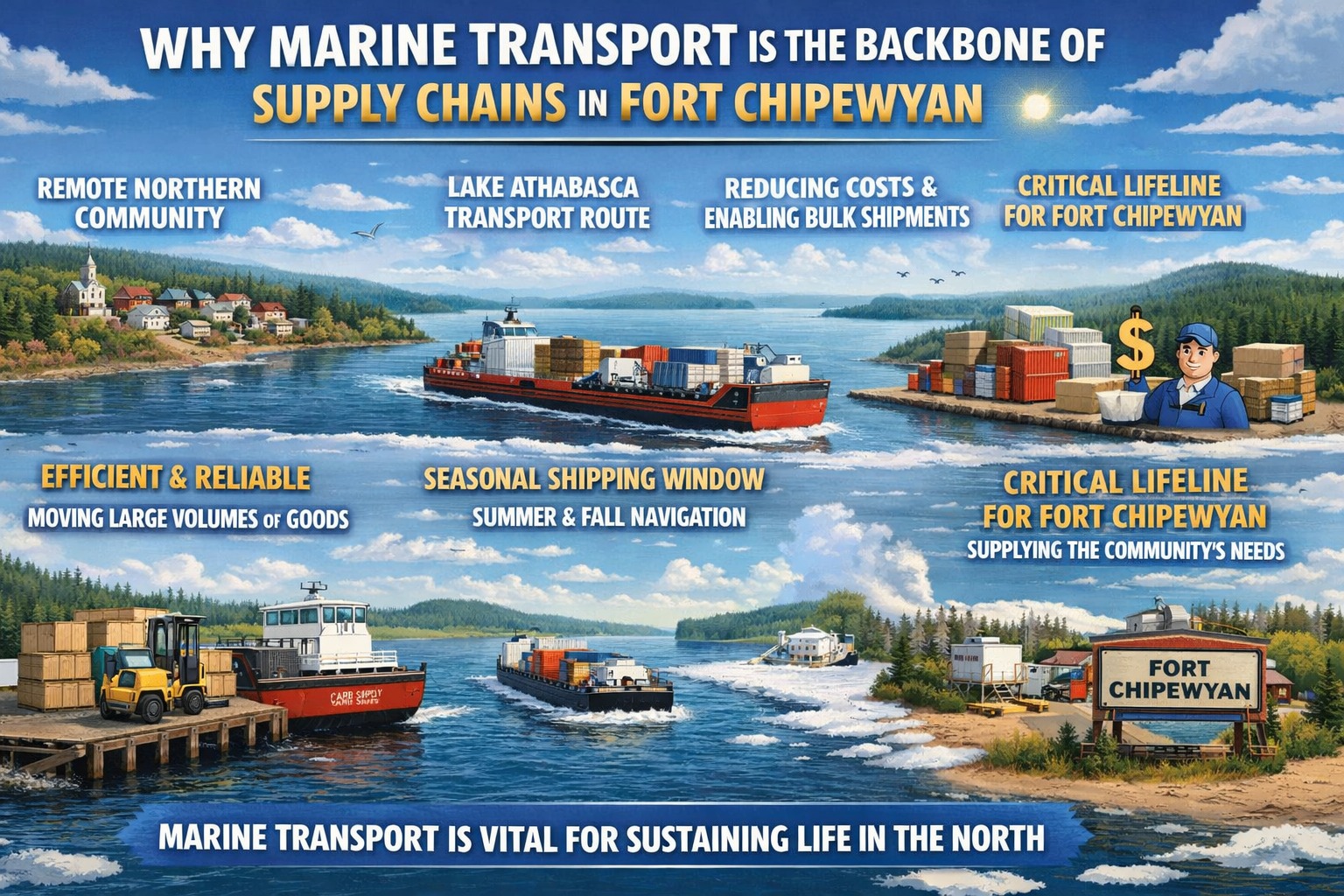
Marine transport is the backbone of supply chains in Fort Chipewyan. Its ability to move large volumes of cargo efficiently makes it the most reliable transportation method for this remote community. From delivering fuel and food to supporting infrastructure development and emergency response, marine logistics plays a vital role in keeping Fort Chipewyan connected and operational. As transportation challenges continue to evolve, marine transport will remain essential for sustaining economic growth, community development, and daily life in this northern region.