Remote communities in Northern Alberta face unique challenges when it comes to transportation, supply chains, and access to essential services. Many of these communities are located far from major highways, rail networks, and urban centers, making traditional transportation difficult, expensive, and sometimes impossible during certain seasons. This is where marine logistics plays a critical role. By utilizing rivers, lakes, and seasonal waterways, marine logistics ensures that remote communities receive essential goods, equipment, and services efficiently and reliably.
Understanding Marine Logistics in Northern Alberta
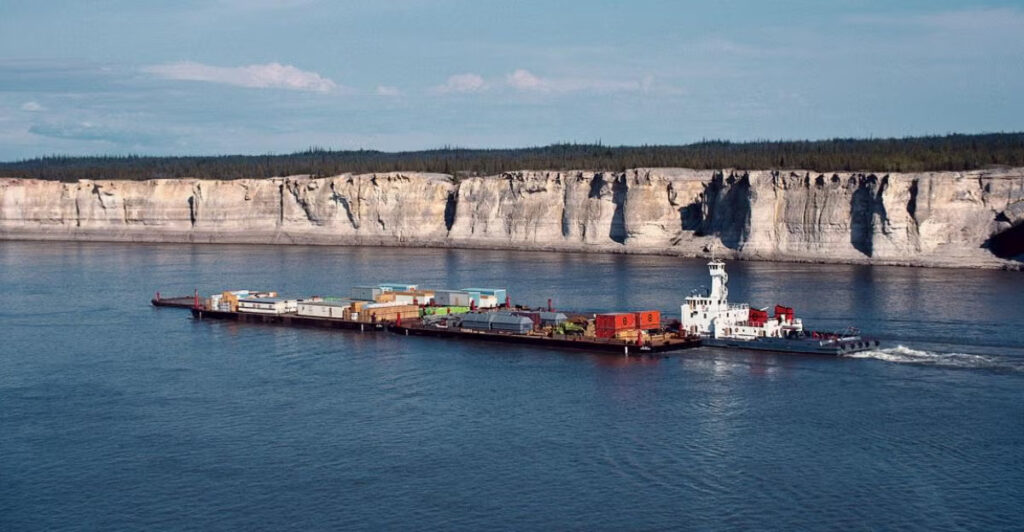
Marine logistics refers to the transportation of goods and materials using waterways such as rivers, lakes, and barging routes. In Northern Alberta, water-based transportation is especially important during the ice-free months, when barges and vessels can travel through interconnected water systems. These routes often provide the most practical and cost-effective way to move large volumes of cargo to communities that otherwise rely on expensive air freight or seasonal winter roads.
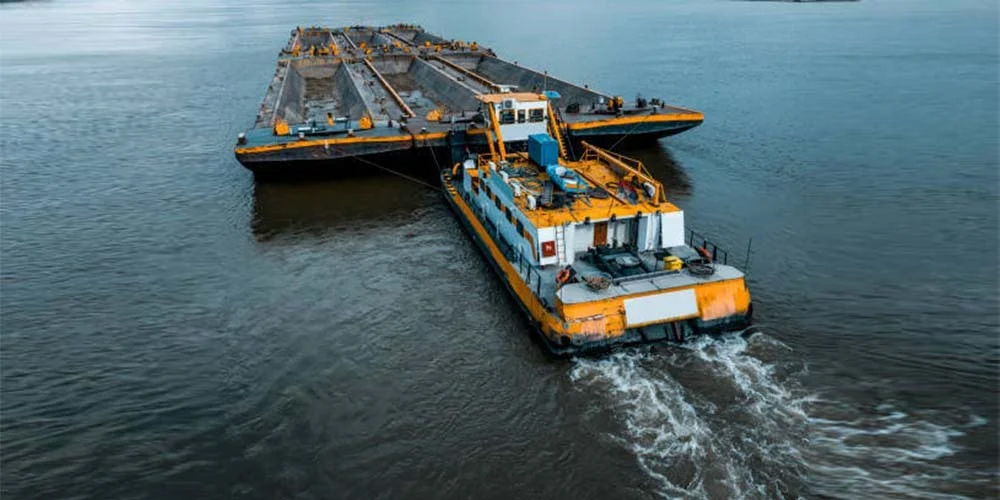
Waterways like the Athabasca River, Peace River, and Slave Lake form natural transportation corridors that connect remote settlements to supply hubs. Marine logistics companies use specialized barges, tugboats, and landing crafts designed to navigate shallow waters and remote shorelines, ensuring cargo reaches even the most isolated areas.
Delivering Essential Supplies
One of the most important roles of marine logistics is delivering essential supplies to remote communities. These include:
Food and groceries
Construction materials
Fuel and energy supplies
Medical equipment and pharmaceuticals
Vehicles and heavy machinery
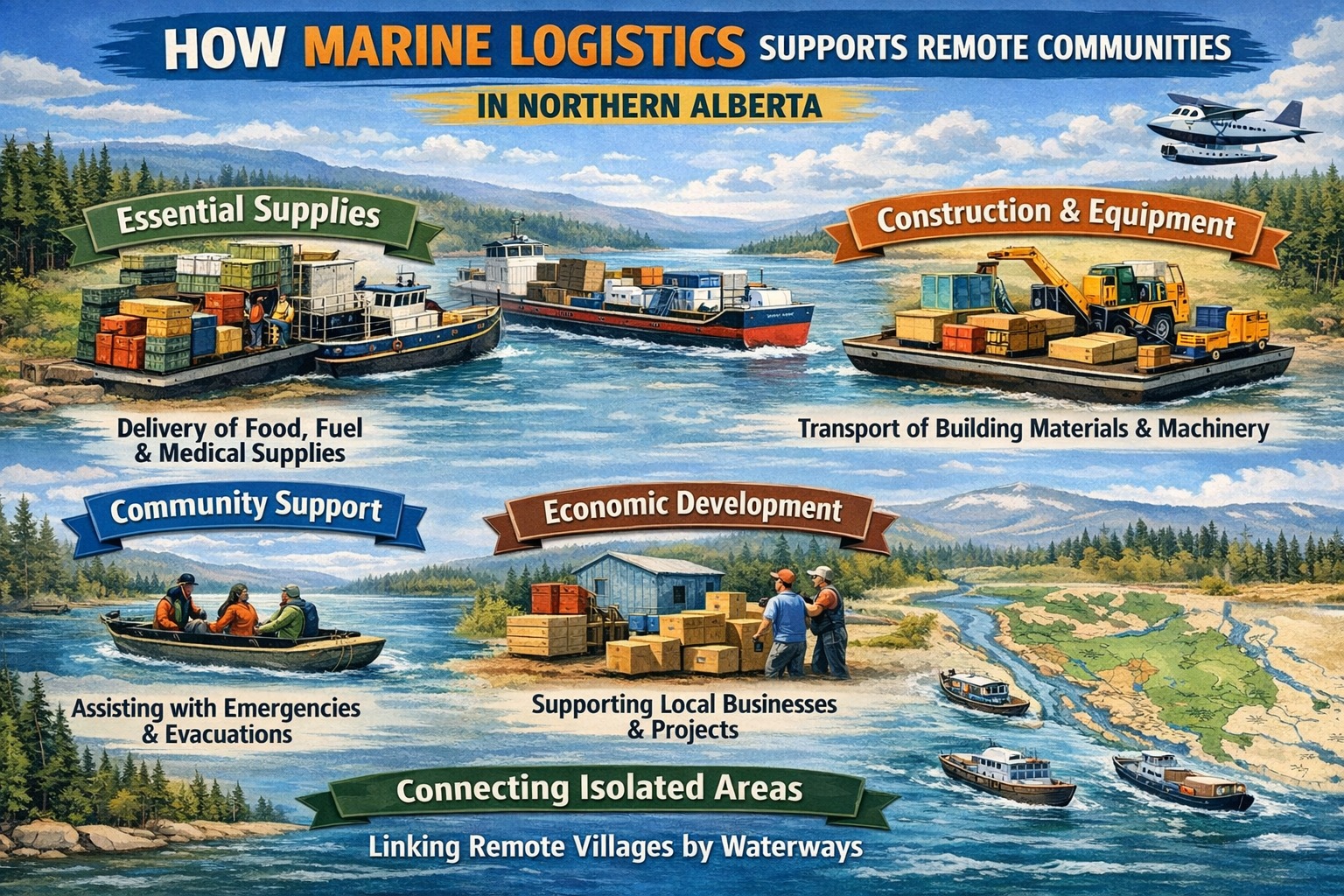
Because many remote communities lack year-round road access, marine transport allows bulk shipments to be delivered at lower costs compared to air transportation. This helps keep prices more affordable for residents and businesses operating in these areas.
Fuel transportation is particularly critical. Marine logistics ensures that diesel, gasoline, and heating fuel are delivered in large quantities before winter arrives. Without these deliveries, communities could face serious energy shortages during harsh northern winters.
Supporting Infrastructure Development
Marine logistics also plays a major role in infrastructure development across Northern Alberta. Remote communities depend on marine transport to deliver heavy equipment such as excavators, loaders, generators, and modular buildings. These materials are essential for building schools, healthcare facilities, housing, and water treatment plants.
Transporting oversized loads by water is often more efficient than using temporary roads or air transport. Barges can carry large, heavy cargo safely while reducing transportation costs and minimizing environmental impact. This makes marine logistics an ideal solution for long-term development projects in remote regions.
Enabling Economic Growth
Reliable marine logistics helps stimulate economic growth in Northern Alberta’s remote communities. Local industries such as forestry, mining, oil and gas, and tourism depend on dependable transportation to move equipment and supplies. Marine logistics supports these industries by ensuring timely delivery of materials and enabling outbound shipment of resources.
Additionally, local businesses benefit from improved access to inventory and equipment. Retail stores, construction contractors, and service providers can operate more efficiently when they receive regular marine shipments. This strengthens local economies and creates employment opportunities within the communities.
Seasonal Flexibility and Cost Efficiency
One of the biggest advantages of marine logistics is its seasonal flexibility. During summer and early fall, waterways become accessible, allowing bulk shipments to be transported quickly. This reduces reliance on winter ice roads, which are becoming less predictable due to climate change.
Marine transport is also significantly more cost-effective than air freight. Barges can carry thousands of tons of cargo in a single trip, reducing the overall cost per unit. These savings are often passed on to communities, making essential goods more affordable.
Emergency and Community Support
Marine logistics providers also assist during emergencies. Whether responding to wildfires, flooding, or supply disruptions, marine transport can deliver emergency equipment, food, and shelter materials quickly. This support is vital for maintaining safety and stability in remote regions.
In addition, marine logistics helps deliver community-focused services such as modular housing, school supplies, and healthcare equipment. These contributions improve quality of life and ensure residents have access to modern infrastructure and services.
Conclusion
Marine logistics is a lifeline for remote communities in Northern Alberta. By utilizing natural waterways, it provides reliable, cost-effective transportation for essential supplies, infrastructure materials, and economic resources. From supporting development projects to ensuring fuel deliveries before winter, marine logistics plays a crucial role in sustaining these isolated regions. As transportation challenges continue to evolve, marine logistics will remain an essential solution for connecting Northern Alberta’s remote communities to the resources they need.