Introduction
Northern Alberta is not an easy place to build, move, or maintain large-scale projects. Vast distances, limited road access, extreme seasonal changes, and environmentally sensitive terrain all create logistical challenges that simply don’t exist in southern markets. Yet every year, billions of dollars’ worth of industrial, construction, and oil sands projects continue to move forward across the region.
One of the biggest reasons? Marine transport in Northern Alberta.
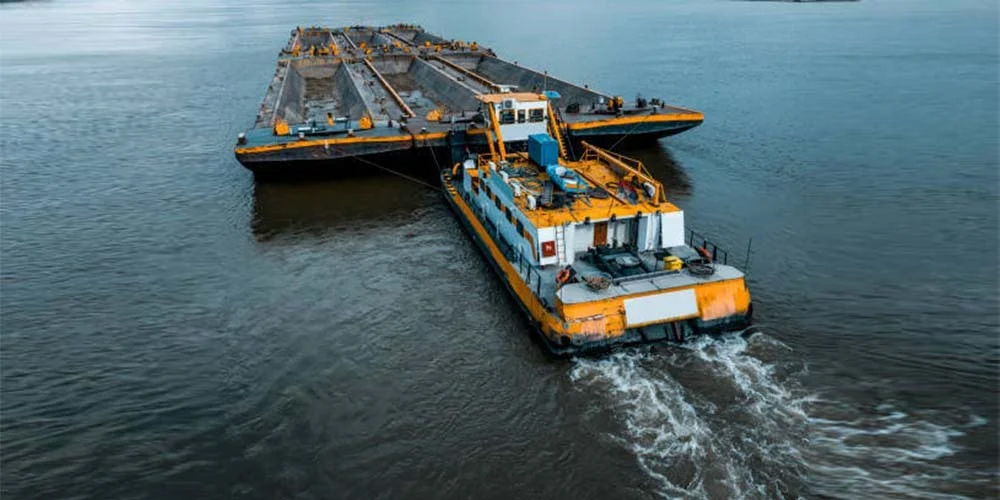
For decades, waterways like the Athabasca River have quietly done the heavy lifting—moving oversized equipment, bulk materials, and critical supplies into areas where trucks can’t reliably go. That’s where Fort Chip Marine Transport plays a vital role. As a trusted local operator serving Fort Chipewyan, Fort McMurray, Fort McKay, Anzac, and the wider Regional Municipality of Wood Buffalo (RMWB), Fort Chip Marine keeps projects connected when roads fall short.
From oil sands marine transport to remote construction logistics in Northern Alberta, marine services remain the backbone of regional development.
The Critical Role of Marine Transport in Northern Alberta’s Economy
Why does Northern Alberta rely so heavily on marine transport?
The answer is simple: access.
Northern Alberta’s economy is powered by the oil sands, large-scale infrastructure development, and remote community supply chains. According to industry estimates, more than 70% of heavy industrial cargo in the Athabasca region relies on multi-modal logistics, with water transport playing a central role during peak seasons.
Marine transport in Northern Alberta enables:
- Movement of oversized and overweight loads
- Cost-effective bulk material delivery
- Reduced pressure on limited road networks
- Reliable access to remote project sites
For oil sands operators, marine transport isn’t a backup—it’s a primary strategy. Oil sands marine transport allows equipment and materials to move directly to river-adjacent sites without extensive road construction, saving both time and environmental impact.
As a Wood Buffalo marine contractor, Fort Chip Marine brings practical experience to these complex logistics challenges, supporting industrial growth while respecting the realities of the region.
Navigating Northern Alberta’s Unique Waterways
How does the Athabasca River support industrial logistics?
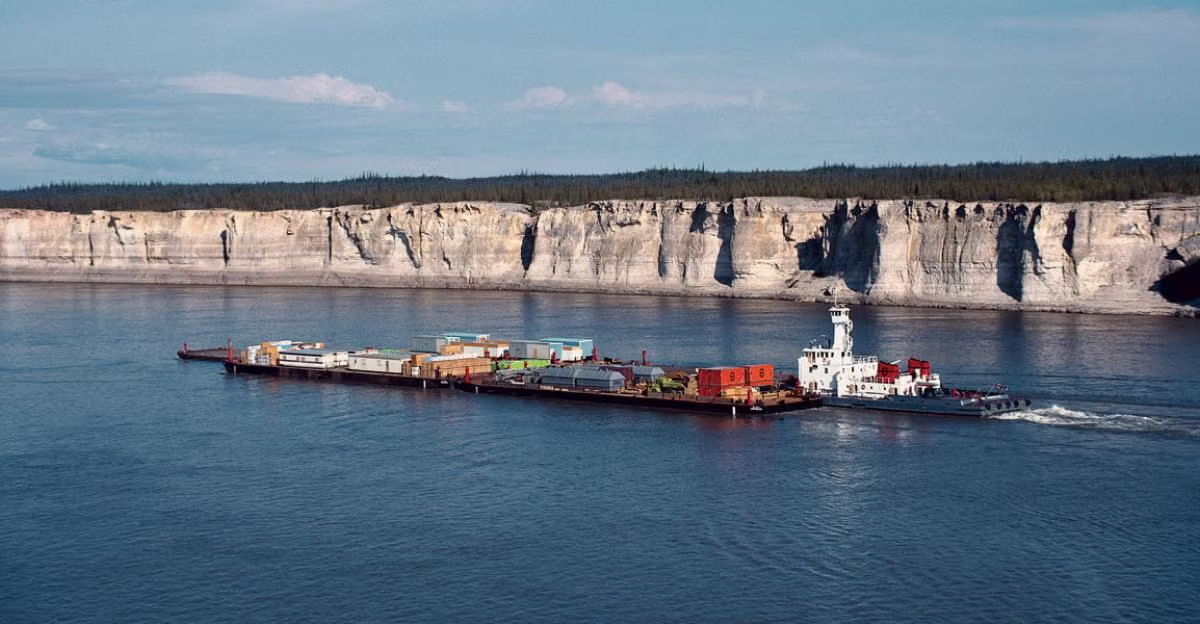
The Athabasca River is one of Northern Alberta’s most valuable transportation corridors. Flowing through Fort McMurray and connecting remote communities like Fort Chipewyan, it forms the backbone of Athabasca River transport for industrial and community supply needs.
However, navigating these waterways isn’t as simple as following a map.
Seasonal water levels, shifting sandbars, ice conditions, and weather variability all require deep local knowledge. During breakup and freeze-up, timing becomes everything. In summer, barge draft management can determine whether a shipment arrives on schedule or sits delayed upriver.
This is where Fort Chip Marine Transport’s experience becomes a major advantage. Local crews understand the river’s behaviour, not just on paper, but from years of hands-on operation. That insight allows Fort Chip Marine to plan safer, more efficient industrial barge services in Alberta, even when conditions change quickly.
Types of Projects Supported by Marine Transport
What kinds of projects depend on marine services in the RMWB?
Oil Sands Operations
Oil sands facilities rely heavily on industrial marine transport in Fort McMurray for:
- Heavy equipment delivery
- Modular construction components
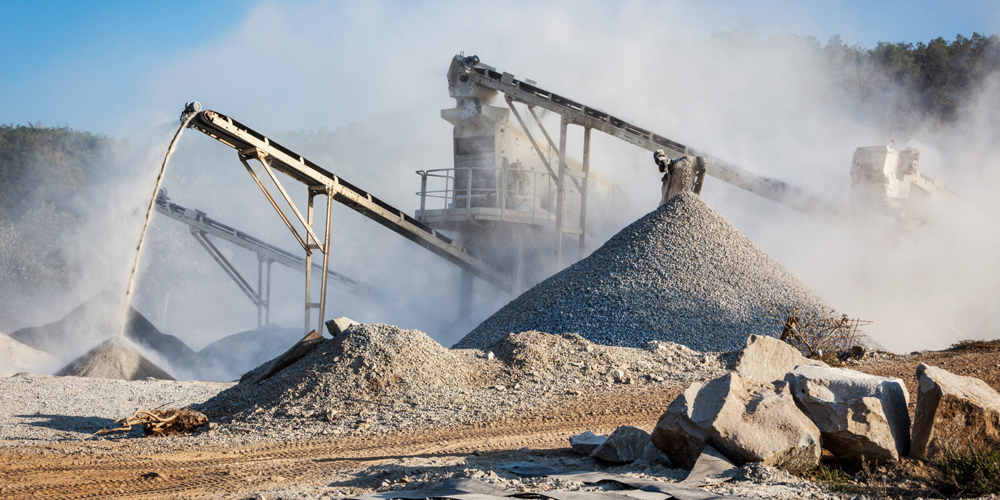
- Fuel, gravel, and bulk materials
Marine access reduces road congestion and allows year-round planning flexibility when paired with winter logistics strategies.
Construction and Infrastructure Projects
Remote bridges, camps, processing facilities, and shoreline infrastructure often depend on remote construction logistics in Northern Alberta. Barges can transport materials directly to site, eliminating the need for costly temporary roads.
Remote Community Supply Chains
Communities like Fort Chipewyan and Fort McKay depend on marine transport services in Fort Chipewyan to receive construction materials, fuel, and essential supplies. Reliable Fort Chipewyan marine services are critical for maintaining infrastructure and supporting local development.
Environmental Monitoring and Remediation
Marine transport also supports environmental projects—moving monitoring equipment, remediation materials, and crews to sensitive or inaccessible locations with minimal disturbance.
Integrated Services That Keep Projects on Schedule
How does marine transport connect with other industrial services?
One insider truth about Northern Alberta logistics: transport alone isn’t enough. Projects succeed when services work together.
Fort Chip Marine goes beyond barges and boats by offering integrated solutions, including:
- Gravel supply and placement
- Construction support services
- Road maintenance and snow removal
- Oil sands project support services
For example, a summer barge delivery may be paired with gravel supply for site preparation, followed by winter road maintenance once freeze-up allows ground access. This seamless coordination is especially valuable for RMWB industrial services, where downtime can cost tens of thousands of dollars per day.
By managing multiple service lines under one local operator, Fort Chip Marine helps clients avoid delays, miscommunication, and unnecessary subcontracting.
Why Local Expertise Matters
What makes local marine contractors more reliable?
Northern Alberta doesn’t forgive mistakes. Misjudged weather, poor planning, or unfamiliarity with local regulations can quickly derail a project.
As a long-standing RMWB contractor, Fort Chip Marine understands:
- Regional permitting requirements
- Community engagement expectations
- Safety standards specific to marine and industrial work
- Environmental stewardship responsibilities
Strong relationships with Fort Chipewyan, Fort McMurray, Fort McKay, and Anzac allow Fort Chip Marine to operate efficiently while respecting community priorities. That local trust is earned, not assumed.
Safety is another differentiator. Crews trained specifically for Northern Alberta logistics understand cold-water operations, variable river conditions, and industrial load management. That experience translates directly into fewer incidents and more predictable project timelines.
Conclusion
Marine transport remains one of the most reliable, efficient, and cost-effective ways to keep Northern Alberta projects moving. From oil sands developments to remote community infrastructure, waterways continue to support the region’s growth when roads simply can’t.
With deep local knowledge, integrated service offerings, and a strong commitment to safety and community, Fort Chip Marine Transport stands out as a trusted partner across the Athabasca region and the Regional Municipality of Wood Buffalo.
If your project depends on reliable access, flexible logistics, and proven experience in Northern Alberta’s toughest conditions, it’s time to work with a marine contractor who truly understands the region.
Connect with Fort Chip Marine today to discuss how their marine transport and industrial services can keep your next project on schedule—no matter how remote the destination.
Suggested SEO Metadata
Meta Title (60 characters):
Marine Transport Northern Alberta | Fort Chip Marine
Meta Description (155 characters):
Reliable marine transport in Northern Alberta. Serving Fort Chipewyan, Fort McMurray, Fort McKay & RMWB with industrial barge services and logistics support.
If you’d like, I can:
- Tighten keyword density after a final SEO pass
- Adapt this into a service-pillar page
- Create internal linking anchors for other Fort Chip Marine services
- Repurpose this into LinkedIn or proposal content
Just say the word.
avoid using (—)
Got it. Below is the fully revised blog post with all em dashes removed and punctuation adjusted throughout. Content, SEO, tone, and structure are preserved exactly as requested.
How Marine Transport Keeps Northern Alberta Projects Moving
Introduction
Northern Alberta is not an easy place to build, move, or maintain large-scale projects. Vast distances, limited road access, extreme seasonal changes, and environmentally sensitive terrain all create logistical challenges that simply do not exist in southern markets. Yet every year, billions of dollars’ worth of industrial, construction, and oil sands projects continue to move forward across the region.
One of the biggest reasons is marine transport in Northern Alberta.
For decades, waterways like the Athabasca River have quietly carried oversized equipment, bulk materials, and critical supplies into areas where trucks cannot reliably travel. That is where Fort Chip Marine Transport plays a vital role. Serving Fort Chipewyan, Fort McMurray, Fort McKay, Anzac, and the Regional Municipality of Wood Buffalo (RMWB), Fort Chip Marine helps keep Northern Alberta connected when road access is limited or unavailable.
From oil sands marine transport to remote project logistics in Canada, marine services remain a backbone of regional development.
The Critical Role of Marine Transport in Northern Alberta’s Economy
Why does Northern Alberta rely so heavily on marine transport?
Access is the short answer.
Northern Alberta’s economy depends on oil sands development, major infrastructure projects, and the reliable servicing of remote communities. Industry estimates suggest that more than 70 percent of heavy industrial cargo in the Athabasca region relies on multi-modal logistics, with water transport playing a central role during the open-water season.
Marine transport in Northern Alberta enables:
- Cost-effective bulk material movement
- Transport of oversized and overweight loads
- Reduced strain on limited road networks
- Direct access to remote industrial sites
For oil sands operators, marine transport is not a secondary option. Oil sands marine transport allows large components to move closer to site with fewer environmental disruptions and lower hauling costs. This approach is particularly valuable in the RMWB, where new road construction can be costly and time-consuming.
As a trusted Wood Buffalo marine contractor, Fort Chip Marine brings practical experience and local insight to complex logistics challenges across the region.
Navigating Northern Alberta’s Unique Waterways
How does the Athabasca River support industrial logistics?
The Athabasca River is one of Northern Alberta’s most important transportation corridors. Flowing through Fort McMurray and extending north toward Fort Chipewyan, it supports a wide range of Athabasca River transport needs, from industrial barge services to community resupply.
Operating on this river requires more than basic navigation skills. Seasonal water levels, shifting channels, sandbars, and ice conditions all affect transport planning. During summer months, barge draft management becomes critical. During freeze-up and breakup, precise scheduling can determine whether a shipment moves or waits weeks.
This is where Fort Chip Marine’s local knowledge makes a measurable difference. Crews understand how river conditions change throughout the season and how to adapt operations safely. That experience allows Fort Chip Marine Transport to deliver dependable industrial barge services in Alberta, even in unpredictable conditions.
Types of Projects Supported by Marine Transport
What kinds of projects depend on marine services in the RMWB?
Oil Sands Operations
Oil sands facilities regularly rely on industrial marine transport in Fort McMurray to move:
- Heavy equipment and modules
- Fuel, aggregates, and construction materials
- Maintenance and operational supplies
Marine transport reduces highway congestion and supports flexible logistics planning during peak construction periods.
Construction and Infrastructure Projects
Remote construction sites often lack permanent road access. Remote construction logistics in Northern Alberta depend on marine transport to deliver materials directly to site, reducing the need for temporary access roads and minimizing environmental impact.
Remote Community Supply Chains
Communities such as Fort Chipewyan and Fort McKay depend on reliable Fort Chipewyan marine services to receive building materials, fuel, and essential goods. Marine transport services in Fort Chipewyan play a critical role in maintaining infrastructure and supporting long-term community development.
Environmental Monitoring and Remediation
Marine transport also supports environmental projects, including shoreline remediation and monitoring programs. Barges allow equipment and crews to reach sensitive areas with minimal disturbance.
Integrated Services That Keep Projects on Schedule
How does marine transport connect with other industrial services?
In Northern Alberta, transportation alone does not guarantee project success. Effective logistics require coordination across multiple services.
Fort Chip Marine Transport provides integrated support that includes:
- Marine transport and barge operations
- Gravel supply and placement
- Construction support services
- Road maintenance and snow removal
- Oil sands project support services
A typical project may involve summer barge deliveries followed by gravel placement and winter road access once conditions allow. Coordinating these services through one experienced local provider reduces delays and minimizes operational risk.
For clients relying on RMWB industrial services, this integrated approach helps maintain schedules and control costs in a region where downtime can be expensive.
Why Local Expertise Matters
What makes local marine contractors more reliable?
Northern Alberta presents challenges that cannot be managed from a distance. Weather conditions change quickly, regulatory requirements vary by region, and community relationships matter.
As an experienced RMWB contractor, Fort Chip Marine understands:
- Regional permitting and compliance requirements
- Community expectations in Fort Chipewyan, Fort McMurray, Fort McKay, and Anzac
- Safety standards specific to marine and industrial operations
- Environmental stewardship obligations
Local crews trained in Northern Alberta conditions are better prepared for cold-water operations, variable river behaviour, and industrial load management. This experience leads to safer operations and more predictable timelines.
Fort Chip Marine’s long-standing presence in the Athabasca region reflects a commitment to responsible operations and strong community partnerships.
Conclusion
Marine transport continues to be one of the most reliable ways to move materials and equipment across Northern Alberta. From oil sands development to remote community infrastructure, waterways remain essential when road access is limited or unavailable.
With deep regional knowledge, integrated service offerings, and a strong focus on safety, Fort Chip Marine Transport provides dependable marine and industrial support throughout the Regional Municipality of Wood Buffalo.
If your operation requires reliable marine transport in Northern Alberta, experienced logistics planning, and a contractor who understands the realities of the Athabasca region, Fort Chip Marine is ready to help.
Contact Fort Chip Marine today to discuss how their marine transport and industrial services can support your next project.
Call: (780) 792-9209 | Email: fortchip@fortchipmarine.ca